
From shimmering tetras to characterful cichlids, the world of tropical fish offers endless colour and movement for UK homes and offices. Yet finding healthy stock, understanding local water nuances, and choosing species that thrive together can feel daunting. Whether you’re upgrading a planted showpiece in London or starting your first nano tank in Manchester, this guide distils practical, UK‑specific advice on selecting the right fish, setting up a stable aquarium, and buying with confidence from reputable sellers. With insights tailored to British tap water, seasonal temperature swings, and home-delivery best practices, you’ll be well prepared to build a vibrant, long-lived community that’s a joy to watch and easy to maintain.
How to Choose the Right Tropical Fish for Your UK Aquarium
Selecting the right stock begins with a clear plan: tank size, filtration, water parameters, and the temperament of your future residents. Many UK aquarists start with hardy, peaceful community fish that suit smaller aquariums. Neon, black neon, and ember tetras bring schooling behaviour and colour; livebearers like guppies and platies add activity and are ideal for beginners; corydoras catfish patrol the bottom with endearing whiskered faces; and a bristlenose pleco can help manage algae without outgrowing the tank. For a gentle centrepiece, consider honey gourami or a pair of Bolivian rams—both calmer than larger, more territorial species.
Tap water chemistry varies widely across the UK. London and much of the South East tend to have harder, more alkaline water, which suits livebearers and many African species. Parts of Scotland, Wales, and the North can be softer and slightly acidic—better for tetras, rasboras, and dwarf cichlids. Test your tap water for GH (hardness), KH (buffering), and pH to guide your species list. If your dream fish prefer softer water than your mains can provide, consider mixing tap with RO (reverse osmosis) water and remineralising to a stable target. Stability is more important than chasing a “perfect” number: consistent parameters keep tropical fish stress-free and vibrant.
Compatibility and bioload are equally crucial. Start with a stocking plan that leaves room for growth and biofilter maturation—especially in tanks under 100 litres. Choose fish that occupy different levels (top, mid, bottom) and share similar temperature needs (most tropical communities thrive around 24–26°C). Avoid combining fin‑nippers with long‑finned species, or highly territorial fish in undersized scapes. When browsing listings, look for details such as current size, adult size, preferred parameters, and temperament. Healthy specimens display clear eyes, intact fins, strong colouration, and steady breathing. Reputable UK specialists will quarantine, feed a varied diet, and provide transparent guidance so you can match fish to your setup with confidence.
Setting Up and Maintaining a Healthy Tropical Aquarium
A stable environment underpins every beautiful tank. Begin with a fully cycled filter: feed the biofilter with an ammonia source and verify zero ammonia and nitrite before adding fish. Choose a heater rated for your volume, and use a reliable thermometer—British homes can swing seasonally, so temperature checks matter. For community tanks, aim for 24–26°C and avoid rapid changes. If your home is especially cool in winter, consider an insulated background or heater guard for extra stability.
Filtration should suit your goals: a quiet internal filter is fine for small tanks, while external canisters offer superior media capacity for planted or heavily stocked aquariums. Combine mechanical, biological, and (if needed) chemical media, rinsing sponges in old tank water to protect beneficial bacteria. Plants not only improve aesthetics but also enhance water quality; even easy species like Anubias, Java fern, and Cryptocoryne help stabilise the system. Use a gentle light schedule (6–8 hours initially) and introduce fish gradually to allow the biofilter to keep up.
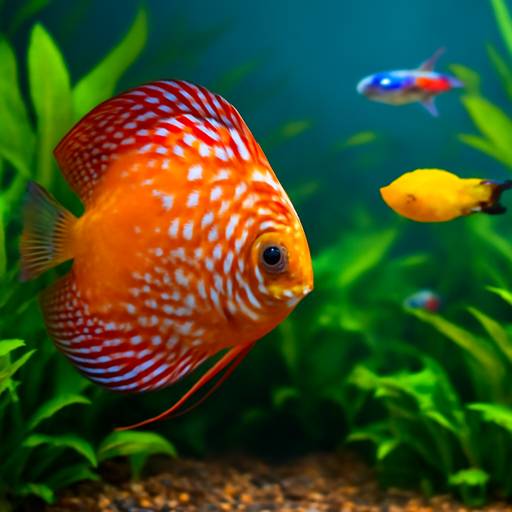
UK tap water often contains chloramine, so use a conditioner that neutralises both chlorine and chloramine with every water change. Weekly 25–35% changes, light substrate vacuuming, and glass wipe-downs will keep things pristine. Feed a varied diet—quality flakes or pellets, plus frozen or live foods like daphnia or brine shrimp—to support immunity and colour. Quarantine new arrivals for 2–4 weeks if possible, or at least practise careful acclimation: float the bag to equalise temperature, then add small amounts of tank water gradually over 20–40 minutes before releasing fish with a net. Watch for early signs of stress (clamped fins, gasping, hiding) and test water promptly when behaviour shifts.
Real-world example: a 60‑litre London flat setup with moderately hard water thrives with a school of ember tetras, a trio of panda corydoras, a honey gourami pair, and a bristlenose pleco. RO‑tap blending isn’t necessary; instead, the aquarist focuses on stable pH, steady 25°C, and weekly maintenance. A simple external filter, low‑light plants, and a measured feeding routine deliver crystal-clear water and lively, healthy fish—proof that the right choices upfront make care easy long term.
Buying Tropical Fish Online in the UK: Delivery, Welfare, and Real-World Examples
Ordering fish online has become the go-to option for many British hobbyists who want wide selection, detailed species info, and convenient delivery. The best UK sellers prioritise welfare at every stage: careful species curation, clear parameter guidance, responsible sourcing, and robust pre-shipping health checks. When browsing listings, look for scientific names, current and adult sizes, temperament notes, and compatibility tips. It should be easy to filter by water hardness, temperature, and tank size—helping you build a balanced community without guesswork.
Shipping practices matter. Reputable retailers schedule dispatch to avoid weekends, use industry‑standard bags with oxygen, insulation, and heat or cool packs seasonally, and provide acclimation instructions. On arrival, lights should be dimmed; bags should be floated to match temperature; and fish should be introduced gradually. Responsible sellers also outline fair policies for unexpected issues and offer prompt support should acclimation questions arise. For an easy starting point, explore tropical fish for sale UK to see how a specialist, family‑run approach can combine selection with attentive service and nationwide delivery.
Local intent is key: a London-based aquarist in a hard-water area might prioritise livebearers, rainbowfish, or certain African cichlids, while a Glasgow hobbyist with soft water could lean toward tetras, rasboras, and dwarf Apistogramma. Online retailers that understand these UK nuances often provide curated bundles (e.g., “soft-water nano community” or “hard-water livebearer starter”) and offer practical guidance on remineralising RO, choosing the right heater wattage for British homes, and timing deliveries around work schedules. This level of detail helps first‑timers avoid mismatches and gives seasoned keepers access to rare, well‑conditioned stock.
Consider two scenarios. In Manchester, a beginner sets up a 70‑litre planted tank and builds a list: 12 neon tetras, 6 pygmy corydoras, and a pair of honey gourami. After testing tap water and confirming neutral pH, they order mid‑week for next‑day delivery. Fish arrive insulated, are acclimated slowly, and settle in under low light—full schooling behaviour by evening. In Bristol, a returning hobbyist with moderately hard water chooses guppies, platies, and a bristlenose pleco. With stable 25°C, weekly 30% changes, and a varied diet, colours intensify within two weeks. In both cases, smart species selection, reliable shipping, and careful acclimation deliver a thriving, low‑stress community that showcases the best of tropical fish keeping in the UK.

Helsinki game-theory professor house-boating on the Thames. Eero dissects esports economics, British canal wildlife, and cold-brew chemistry. He programs retro text adventures aboard a floating study lined with LED mood lights.