
When temperatures dip across Madison, furnaces work around the clock to keep homes and businesses warm. Over time, that constant operation pulls dust, pet dander, construction debris, and even microscopic contaminants into the ductwork. Without regular attention, those particles recirculate through living spaces, undermining indoor air quality and making your heating system work harder than it should. Thoughtful, professional furnace air duct cleaning targets these hidden buildup points, helping your HVAC system run efficiently while delivering cleaner, healthier air. In a city known for freeze-thaw cycles, lake-effect humidity, and seasonal pollen bursts, a clean duct system isn’t just a comfort upgrade—it’s a smart way to protect your home, your lungs, and your energy bills. Whether you’re in a historic bungalow near the Isthmus or a newer build on Madison’s growing edges, effective duct cleaning can make a noticeable difference in how evenly and cleanly your space heats.
Why Clean Furnace Air Ducts Matter in a Cold-Climate City
Madison’s long heating season means more runtime on the furnace and more opportunities for debris to settle inside ducts. Dust, insulation fibers, pet hair, and particulate from cooking or woodworking can accumulate in supply and return lines. Each cycle, your blower pushes air past that buildup, stirring particles back into rooms and forcing the system to overcome added resistance. A targeted furnace air duct cleaning removes this accumulation so air can move freely, which supports better comfort and reduces wear on the blower motor. The result is often quieter operation, steadier temperatures, and a heating system that doesn’t have to fight through a layer of grime to do its job.
Indoor air quality is another central reason to pay attention to air ducts, especially when cold weather keeps windows shut. If anyone in the household experiences allergies or asthma, recirculated contaminants can be a persistent trigger. Particles from building materials after renovations, fine dust from drywall sanding, or soot from candles can lodge in the duct’s interior surface. In some cases, high humidity and temperature swings can encourage musty odors. Proper cleaning—paired with a well-fitted, high-quality filter—helps reduce airborne irritants and stale smells so the home feels fresher, even in mid-winter.
Clean ducts can also support energy savings. The more resistance in the system, the harder your furnace has to work to push air to the farthest registers. That extra load can lead to longer run times and higher utility bills. Removing obstructions and debris supports more uniform airflow and easier heat distribution, which can help prevent cold spots at the end of long runs. In multi-level homes common around Madison’s near west side and newer developments, balanced airflow is especially important for keeping basements and upper floors comfortable. While no single service can cure every HVAC performance concern, a well-executed cleaning addresses one of the most common bottlenecks: unwanted buildup inside your ductwork.
What a Professional Cleaning Involves and How Often to Schedule It
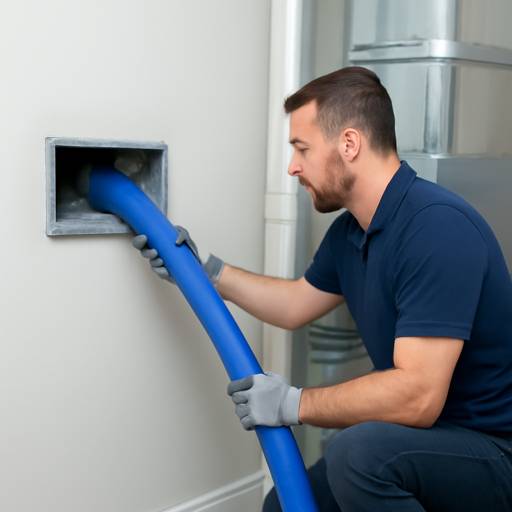
A thorough furnace air duct cleaning starts with a detailed inspection. Technicians locate the main trunk lines, returns, and branch ducts, and identify access points that allow tools to reach the entire system. Registers and grilles are removed, cleaned, and covered to keep dust contained. A powerful negative-air machine with HEPA filtration is then connected to create strong suction. Inside the ducts, specialized rotary brushes and compressed-air whips agitate debris from the interior surfaces, dislodging material so the vacuum can carry it out of the home without reintroducing dust.
Returns, supply trunks, and branch lines are addressed methodically to ensure no “dead ends” are left untouched. The blower compartment and accessible components around the furnace air handler are carefully cleaned, with attention to the blower wheel and housing where practical. Technicians evaluate the condition of the evaporator coil (if the system includes central air) and recommend separate coil cleaning when needed. If moisture issues or musty odors are present, they may discuss targeted, EPA-registered treatments as appropriate. Throughout the process, containment remains a priority—professional equipment and technique keep dust from spreading into living areas.
Verification matters. Many professionals provide before-and-after images to confirm that the trunk lines and branches have been cleared, and may measure airflow at registers to help illustrate improvements. While every home is different, a typical cleaning for a single-family residence is scheduled every two to four years. Households with multiple pets, recent remodeling, tobacco smoke exposure, or significant allergy concerns might benefit from more frequent service. New homeowners often schedule cleaning shortly after moving in, while long-time Madison residents commonly book in early fall to prepare for the heating season or in late spring after heavy furnace use. To further explore what a complete service looks like, see Furnace Air Duct Cleaning for a breakdown of steps and expectations.
Between cleanings, maintenance habits can preserve results. Use a properly rated filter (consider MERV guidance recommended by your HVAC professional) and change it regularly—often more frequently during peak heating months. Check that registers aren’t blocked by furniture or rugs, and keep return grilles free of lint and dust. If you operate a whole-home humidifier during winter, ensure it is maintained to prevent excess moisture that can encourage odors or microbial growth. These simple steps help keep duct interiors cleaner for longer and support the efficiency gains you’ve achieved.
Real-World Signs, Local Scenarios, and Results You Can Expect
How do you know when it’s time for a professional cleaning? Look for a few common signs. If a light dusting returns to surfaces within a day, even with regular housekeeping, debris in the ductwork might be part of the reason. Musty or smoky odors that intensify when the furnace starts, visible dust puffs from vents, or finding pet hair in registers are further clues. Uneven heating—rooms at the end of long runs that never seem to warm up—can also point to restricted airflow inside ducts. If it’s been years since the last cleaning or you’ve just finished a basement renovation, it’s wise to assess duct conditions before the next cold snap.
Madison’s housing stock spans historic homes, mid-century ranches, and newer subdivisions, each with unique ductwork quirks. In a 1920s bungalow near Atwood with original metal ducts, for instance, decades of settled dust and pet dander had narrowed branch lines. After a comprehensive cleaning, the homeowner reported reduced dusting, a noticeable improvement in airflow to the upstairs bedroom, and a quieter blower cycle. On the west side, a contemporary home with a finished lower level struggled with a persistent earthy odor every time the heat kicked on. Technicians traced residue to a return drop near a storage area; cleaning and sealing small gaps around that return eliminated the odor and helped curb drafts at floor level.
Commercial spaces see benefits, too. A small office downtown experienced cold spots and employee complaints about dry, dusty air in winter. Post-cleaning, airflow measurements balanced more closely across suites, and surface dust decreased. In each scenario, results included fresher-smelling air, less visible dust, and steadier temperatures. While every system is different—and no cleaning can overcome incorrect duct sizing or major mechanical issues—removing accumulated debris reduces a key source of resistance, allowing the furnace to distribute heat more effectively.
Seasonal trends in southern Wisconsin also play a role. Spring pollen and fall leaf debris often hitch a ride indoors on clothing and pets; winter brings more time spent inside with windows sealed. Over months, fine particles settle in the duct network, leading to the all-too-familiar cycle of dusting, sneezing, and uneven warmth. Proactive, professional furnace air duct cleaning breaks that cycle. Homeowners frequently note they can go longer between dustings, and those with sensitivities often describe less irritation when the heat turns on. For many Madison households, pairing regular duct maintenance with smart filter choices, proper humidity control, and scheduled HVAC tune-ups provides a comprehensive path to cleaner air and reliable winter comfort.
Finally, pay attention to life events that stir up dust: a kitchen remodel in Fitchburg, new carpeting in Monona, or moving into a previously rented home in Sun Prairie. After these changes, duct interiors can host a surprising amount of fine debris. Addressing it sooner than later helps protect your furnace, keeps your home feeling and smelling cleaner, and supports the kind of consistent, even heating that makes Wisconsin winters more comfortable. In a climate where your furnace is a daily companion for months at a time, investing in clean, efficient ductwork pays dividends you can feel every day.

Helsinki game-theory professor house-boating on the Thames. Eero dissects esports economics, British canal wildlife, and cold-brew chemistry. He programs retro text adventures aboard a floating study lined with LED mood lights.