
Why Professional Rug Cleaning Matters in Manhattan Apartments and Townhomes
City life is tough on textiles. Between sidewalk grit, elevator dust, pollen drifting in from Central Park, and the daily ebb and flow of shoes, pets, and deliveries, rugs in Manhattan collect far more than what a quick vacuum can remove. Fine particles settle deep into the pile where they act like sandpaper, abrading fibers with every step. Professional rug cleaning addresses this hidden soil load, restoring vibrancy, softness, and hygienic freshness while helping your investment last longer—especially critical for heirloom Persian, Turkish, or Navajo pieces.
Manhattan homes also see unique spill risks: coffee in a Chelsea live-work loft, wine in a Tribeca dining nook, or sidewalk salt tracked into an Upper East Side foyer. Pet accidents are common across compact city apartments, and urine can cause permanent dye damage if not treated with specialized decontamination and odor neutralization. A trained technician evaluates fiber type—wool, silk, cotton, viscose, or synthetic—along with construction and dye stability. That expertise guides everything from pre-vacuum dusting to pH-balanced wash chemistry and drying protocols that protect natural fibers and prevent color bleed.
DIY spotters often promise miracles, but many contain optical brighteners or harsh alkalinity that can cause yellowing, stiff hand-feel, or even dye migration. Professional, eco-friendly service uses safer detergents and controlled rinsing to lift soils without leaving sticky residues that re-attract dirt. For delicate pieces, hand-washing and gentle fringe care preserve structure and detailing. In addition, pros understand the realities of Manhattan buildings: working within service elevator windows, using containment to protect pre-war hardwoods, and providing proof of insurance/COIs when required by your condo or co-op.
Real-world example: a West Village studio’s wool kilim dulled after a year of heavy use. A thorough dusting released pounds of embedded grit, followed by a low-moisture, neutral rinse and speed drying to maintain flat-weave tension. Results included revived color contrast, a softer underfoot feel, and reduced allergens—proof that professional rug cleaning Manhattan services can deliver visible and health-forward results without harsh chemicals.
Methods That Work: Eco‑Safe Techniques for Wool, Silk, and Synthetic Rugs
Every successful project begins with inspection and testing. Pros check for prior repairs, moth activity, latex delamination, and dye stability. A colorfastness test informs the wash plan. High-powered dusting—often more important than washing—shakes loose dry soils that vacuums miss. For sturdy synthetics and some modern wool area rugs, controlled hot water extraction with soft water and plant-based detergents can be ideal, followed by a pH-balanced rinse that leaves fibers clean, not crunchy.
Antique or silk-rich pieces demand more finesse. Skilled cleaners favor hand washing or low-moisture immersion to protect knots and prevent dye migration. Enzyme spotters target protein stains from food or pet accidents, while non-acidic odor treatments neutralize smells at the source rather than masking them. Fringe receives separate attention with gentle whitening that avoids chlorine or optical brighteners. Throughout the process, airflow, dehumidification, and temperature are managed to ensure even, timely drying that maintains pile lay and inhibits microbial growth.
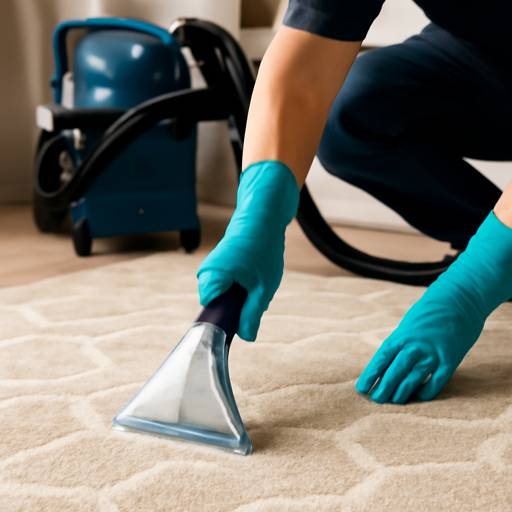
Urban details matter. In-home service might include floor protection mats, quiet equipment for early-morning time slots, and careful hose routing to keep hallways clean. For pickup-and-delivery washes, rugs are tagged, measured, and photographed, then treated off-site where dusting floors and wash pits allow deeper cleaning. Add-on services can include moth deterrent, stain protector for busy households, and blocking to re-square edges—particularly useful for pieces that have rippled or skewed due to foot traffic or humidity from radiator heat.
Case example: a SoHo loft with a hand-knotted wool-and-silk rug suffered a turmeric spill and pet odor. After dye testing, the technician performed localized hand work with a neutral enzyme system, rinsed with softened water, then dried the rug flat under controlled airflow to preserve sheen. The result: significant stain reduction, odor elimination, and no fiber distortion. Using eco-friendly chemistry safeguarded indoor air quality—key for families and pet owners—while advanced techniques protected the rug’s luster and structural integrity.
Local Scenarios, Pricing Factors, and How to Prep Your Space
Pricing for professional services in Manhattan typically varies by square foot and is influenced by fiber type, construction, soiling level, and any specialty treatments required. Synthetic area rugs with light soil may be at the lower end, while antique wool or silk blends with hand-knotted construction, urine decontamination, or fringe restoration will be higher. Pickup and delivery, rush turnarounds, or COI requirements for certain buildings can also affect the final quote. A reputable company offers a clear, written estimate after inspection and testing, so there are no surprises.
Scheduling in Manhattan benefits from flexibility: early appointments to catch service-elevator windows in Midtown condos, or evening slots to minimize disruption in home offices. Before a visit, remove small items from the rug, note any known spills, and point out pet accident zones. Technicians may use UV lights to detect invisible contamination for targeted treatment. If furniture stays in place, they’ll protect feet and use sliders to avoid floor scratches. After cleaning, expect guidance on dry times and airflow—simple steps like cracking a window or using a fan can speed results.
Maintenance between professional visits is straightforward. Vacuum weekly (twice weekly in high-traffic corridors), moving slowly and avoiding aggressive brush rolls on silk or looped piles. Rotate rugs every six months to even out sun exposure and wear, place walk-off mats at entries to catch grit, and use felt pads under furniture to prevent dents. When spills happen, blot—don’t rub—with a white cloth, then consult a pro for anything colored, oily, or acidic. These habits extend life, preserve color, and reduce the frequency of deep cleans while keeping apartments and townhomes fresher.
For local credibility, look for certifications, strong reviews, transparent eco-chemistry, and technicians trained in specialty fibers. Manhattan-specific experience—navigating co-op rules, protecting pre-war floors, and handling complex logistics—often predicts a smoother job. If you need a trusted, green-minded team for pickup, in-home care, or specialty washing, explore rug cleaning Manhattan to match services to your rug’s fiber, construction, and lifestyle demands. Whether it’s a delicate Oushak in the Upper West Side or a hard-working synthetic runner in FiDi, the right approach restores beauty, removes allergens, and protects your investment in the city’s most demanding environment.

Helsinki game-theory professor house-boating on the Thames. Eero dissects esports economics, British canal wildlife, and cold-brew chemistry. He programs retro text adventures aboard a floating study lined with LED mood lights.