
What Are Cruise Meetups and Why They Matter
The heart of cruise meetups is simple: connect with fellow passengers before, during, and after your sailing to make the journey richer, safer, and more fun. Instead of waiting until the sailaway horn to strike up conversation, cruisers now organize intentional gatherings—think pre-embark coffee near the port, a sailaway toast at the aft bar, a trivia team meetup on a sea day, or a shared van for a port excursion. These organic touchpoints turn a floating resort into a friendly neighborhood, and they help travelers match with people who share the same vibe, whether that’s sunrise yoga, late-night karaoke, craft cocktails, family pool time, or quiet library afternoons.
Meetups reduce travel friction. First-time cruisers can ask seasoned sailors about dining rotations, dress codes, or the boarding process; solo travelers gain instant community; families find playmates with similar ages and nap schedules. Even logistical coordination—like splitting a private driver in Cozumel, reserving beach beds on a private island, or forming a group for Santorini’s cable car rush—becomes easier and cheaper with a pre-formed crew. In major homeports like Miami, Fort Lauderdale, Port Canaveral, Galveston, Los Angeles, Seattle, Vancouver, Southampton, Barcelona, and Sydney, pre-cruise events at walkable cafes or waterfront parks help everyone start relaxed and oriented before navigating terminals and boarding times.
Modern platforms make it simple to discover who’s sailing with you and where the social energy is landing on any given itinerary. You can browse sailing roll calls, jump into live “ship hubs,” and gauge interest for themed gatherings. When you find active cruise meetups, you’re not just booking a cabin—you’re aligning with people likely to enjoy the same shows, shore plans, and dining style. That alignment pays off on embarkation day, when a familiar face at the muster drill or buffet line turns a potentially overwhelming moment into a shared high-five.
There’s also a safety and comfort dimension. Meeting verified fellow travelers ahead of time creates a lightweight support system at sea. Parents can sanity-check kids’ club hours with other families. New cruisers can learn ship layout tips—like how to find a quieter lounge for motion-sensitive guests or a midship elevator bank that’s stroller-friendly. And because ships are micro-communities, quick check-ins at planned points (morning coffee nook, afternoon deck chair cluster, evening lounge) make it easy to balance social time with personal downtime.
How to Plan or Join Cruise Meetups: A Step-by-Step Playbook
Start with discovery. Join your sailing’s roll call or ship hub as early as possible—ideally right after booking—so you can spot active threads and recurring interests. Introduce yourself with a few anchors: who you’re traveling with, dietary or accessibility notes, and two to three interests (live music, silent disco, snorkeling, late dining). Signal flexibility and kindness. Groups form best around clarity and low pressure; a simple “Sailaway toast at the aft bar, Deck 16, starboard side—wave if you see the pineapple hat!” invites drop-ins without commitments.
Set the basics for each meetup: date, ship location, and a weather or itinerary backup. Write directions like a deck plan: “Sea Day 1, 2:30 p.m., Schooner Bar, port side, near piano; if full, overflow to adjacent lounge.” Keep groups manageable; a core of 6–12 people is ideal for first meetups. For port days, share exact times, ship departure cushion (aim to be back two hours before all-aboard), and payment details. If organizing a shared excursion, choose a provider with clear cancellation terms and contingency plans. Appoint a second host to handle messages while you’re in airplane mode or spotty cell zones.
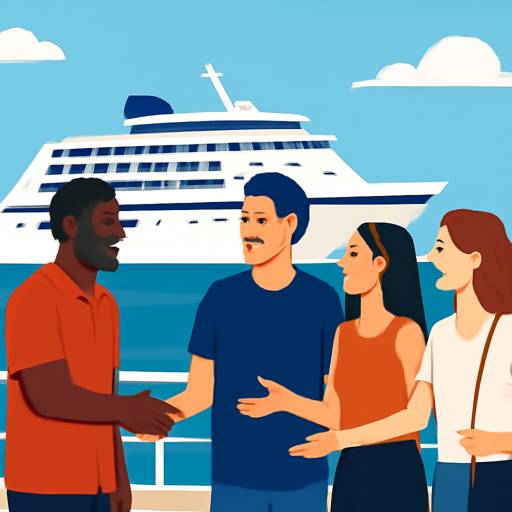
Prioritize privacy and safety. Use first names and cabin areas (e.g., “midship on 8”) rather than full cabin numbers in public chats. Move any sensitive details—like private van plate numbers or tickets—into a small, trusted subgroup the day before port. Remind everyone of ship rules and safety: attend the muster drill, limit glass items on open decks, and respect quiet hours near stateroom corridors. For bar meetups, create inclusive alternatives: a mocktail tasting or dessert crawl is just as social as a pub hop and welcomes non-drinkers, teens with parents, and early risers.
Lean into ship culture. Great meetup spots include the promenade for parades, the observation lounge for scenic sail-ins, the aft bar for wake views, adults-only solariums for quieter chats, and the lido for casual mingling. Schedule around high-demand events (production shows, captain’s reception) and avoid peak buffet hours on embarkation day. Add theme variety: a “first-timers Q&A,” “tech-free sunrise coffee,” “independent travelers roll call,” or “multi-generational family swap” where grandparents trade tips about stroller routes and kids’ club check-ins. For local flair, try a pre-cruise welcome near PortMiami’s Bayside Marketplace or Galveston’s Strand District, and keep an eye on traffic patterns so nobody cuts it close for boarding.
Real-World Success Stories and Niche Meetups That Work
Case Study: The Sailaway Mosaic. On a seven-night Eastern Caribbean, an organizer split meetups by energy level. At embarkation, a low-key “find your deck chair pod” welcomed jet-lagged cruisers to drop by between 2–4 p.m. At sailaway, a high-energy aft-party meetup formed a live band fan crew. Result: by Night 2, strangers had naturally sorted into complementary micro-groups—quiet sunset watchers, late-night piano bar regulars, and early-morning coffee walkers. Each found their lane without pressure, and everyone had someone to sit with at shows, eliminating that awkward “is this seat taken?” moment.
Case Study: The Port Power Play. A Western Caribbean itinerary saw 18 passengers coordinate private transport in Costa Maya and Cozumel. Using a simple sign-up sheet, they split into themed vans: snorkelers, market explorers, and foodies. Each van designated a timekeeper and navigator. They returned with time to spare, saved money compared to ship tours, and shared recommendations at a post-port “show and tell” meetup—photos, favorite dishes, and quick safety notes for the next group. Accessibility-minded travelers formed a separate van with ramp access and confirmed restroom stops in advance, demonstrating how thoughtful planning turns inclusive intent into real access.
Case Study: The Solo Circle. A group of solo cruisers met for daily breakfasts in a quiet midship venue and created a buddy board for show seats, trivia teams, and tender buddies. New-to-cruising participants reported higher satisfaction, and several booked future itineraries together. Key to success: clear etiquette. The host set expectations—opt in or out freely, no pressure to dine every night together, and respect “recharge time.” This light structure empowered autonomy while building genuine friendships.
Niche meetup ideas thrive when they’re specific yet welcoming. Fitness crews can host sunrise stretch sessions on an open deck, rotating leadership so no one person has to be the coach. Food lovers can stage a progressive taste tour—sushi at 6, steakhouse apps at 7, gelato at 8—keeping budgets transparent and optional. Families might run a “stroller parade route” rehearsal on Deck 4 to map elevator access and wind breaks. Creatives can try a “blue hour photo walk” during sail-in at places like Vancouver or Sydney for skyline shots. Community-minded travelers sometimes arrange micro-volunteering on turnaround day in homeports—like a beach clean in Miami—while respecting port authority rules and timing. And long-standing traditions such as Friends of Dorothy, veterans’ gatherings, or crafting circles add depth across demographics.
Best practices elevate every meetup. Keep communications crisp with a one-post summary updated as details change, since cruise chats can scroll fast. Use clear time zones and ship time warnings. Tag a backup location if the first spot fills. Celebrate small wins—finding a table at the buffet together counts. Rotate hosts to prevent burnout and broaden inclusion. Most of all, blend structure with serendipity: a few reliable anchors each day plus room for organic moments—wave spotting on the promenade, impromptu dance floors, or a quiet book swap under the solarium’s skylight. That balance is where cruise meetups transform a good sailing into a shared adventure you’ll talk about long after the last port fades on the horizon.

Helsinki game-theory professor house-boating on the Thames. Eero dissects esports economics, British canal wildlife, and cold-brew chemistry. He programs retro text adventures aboard a floating study lined with LED mood lights.